
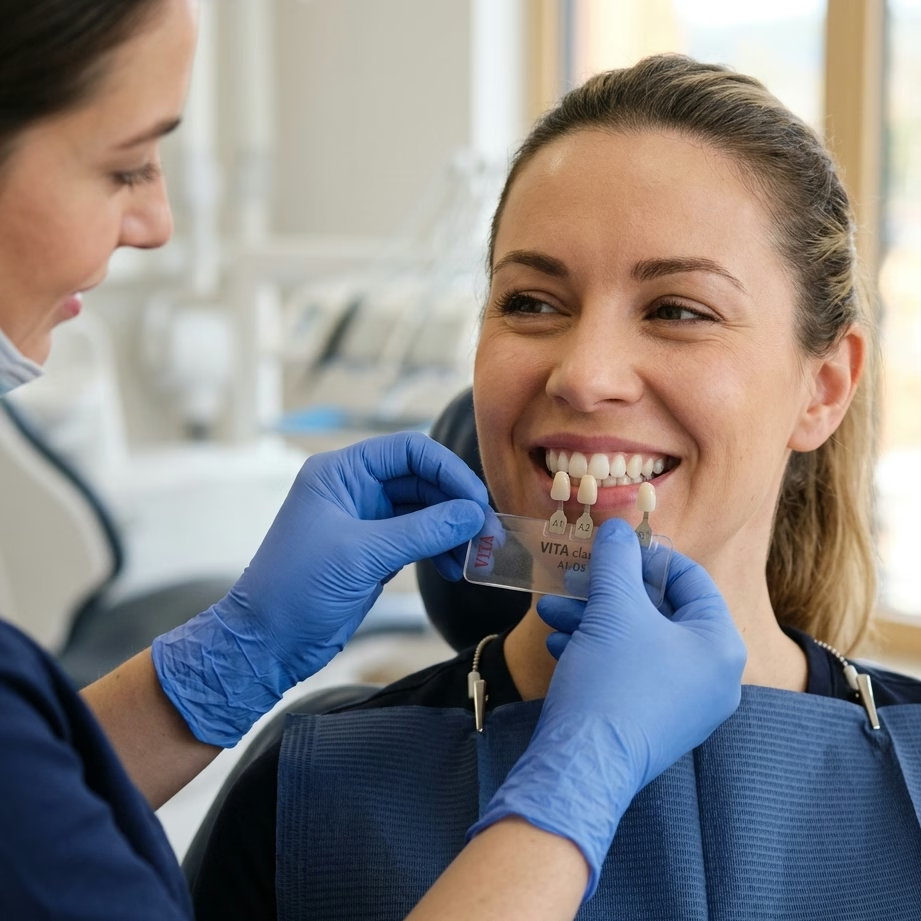
Dental Implants
A permanent replacement that behaves like a real tooth, because it is anchored like one.
- Steps, start to finish
- 4
- Course of care
- 3–4 visits over several months
- Time per appointment
- 60–90 min for placement
Understanding dental implants
A dental implant is a titanium post placed into the jawbone, topped with a crown made to match your other teeth. Unlike a bridge, it does not rely on neighbouring teeth. Unlike a denture, it does not move. It is the closest thing modern dentistry has to growing a new tooth.
Who this is for
- One or more missing teeth, front or back
- A failing tooth that cannot be saved
- Denture wearers tired of adhesive and slipping
- Bridge wearers who would rather not grind down healthy teeth
What to expect
- Number of visits
- 3–4 visits over several months
- Time per appointment
- 60–90 min for placement
The wait is bone healing, not chair time. Most of those months you carry on normally.
What it does for you.
Preserves jawbone, which shrinks when a tooth is lost
Does not damage or depend on the teeth beside it
Eat what you want — steak, apples, corn on the cob
Cleaned like a normal tooth, with a brush and floss
Step by step, so nothing is a surprise.
Most dental anxiety comes from not knowing what happens next. Here is the whole sequence, from the first phone call onwards.
- 01
Assessment & imaging
We check bone volume, gum health and bite. Not everyone is a candidate on day one — sometimes a graft comes first.
- 02
Implant placement
The post is placed under local anesthetic, or under general anesthesia with our anesthesiologist if you prefer to sleep through it.
- 03
Healing & integration
Three to six months while the bone fuses to the implant. A temporary tooth keeps the gap filled meanwhile.
- 04
Crown placement
The permanent crown is made to match your teeth in shape and shade, then secured onto the implant.
“I put it off for four years because I assumed it would be agony. The recovery was two days of ibuprofen.”
Dental Implants questions we hear every week
Still unsure about something? Ring the front desk on (405) 632-5562 — no appointment needed to ask a question.
Placement is done under anesthetic and most patients report less discomfort than a tooth extraction. Soreness for two to three days afterwards is normal and manages well with over-the-counter pain relief.
The implant post itself is designed to last decades and frequently lasts a lifetime. The crown on top may need replacing after ten to fifteen years, much like any crown.
Bone grafting can often build the site back up. It adds a few months to the timeline but opens the option for most patients who were previously told no.
It depends on how many teeth are missing, your bone, your health and your budget. We lay out all three with honest costs and let you choose. We do not push implants on people who do not need them.
Yes. General anesthesia is administered by a board-certified anesthesiologist, which is safer and more comfortable than sedation squeezed in by the dentist.
You might also need.

2 visits to start · 90–120 min first visit
Family Dentistry
One practice for everyone under your roof, from age three to ninety-three.
Learn more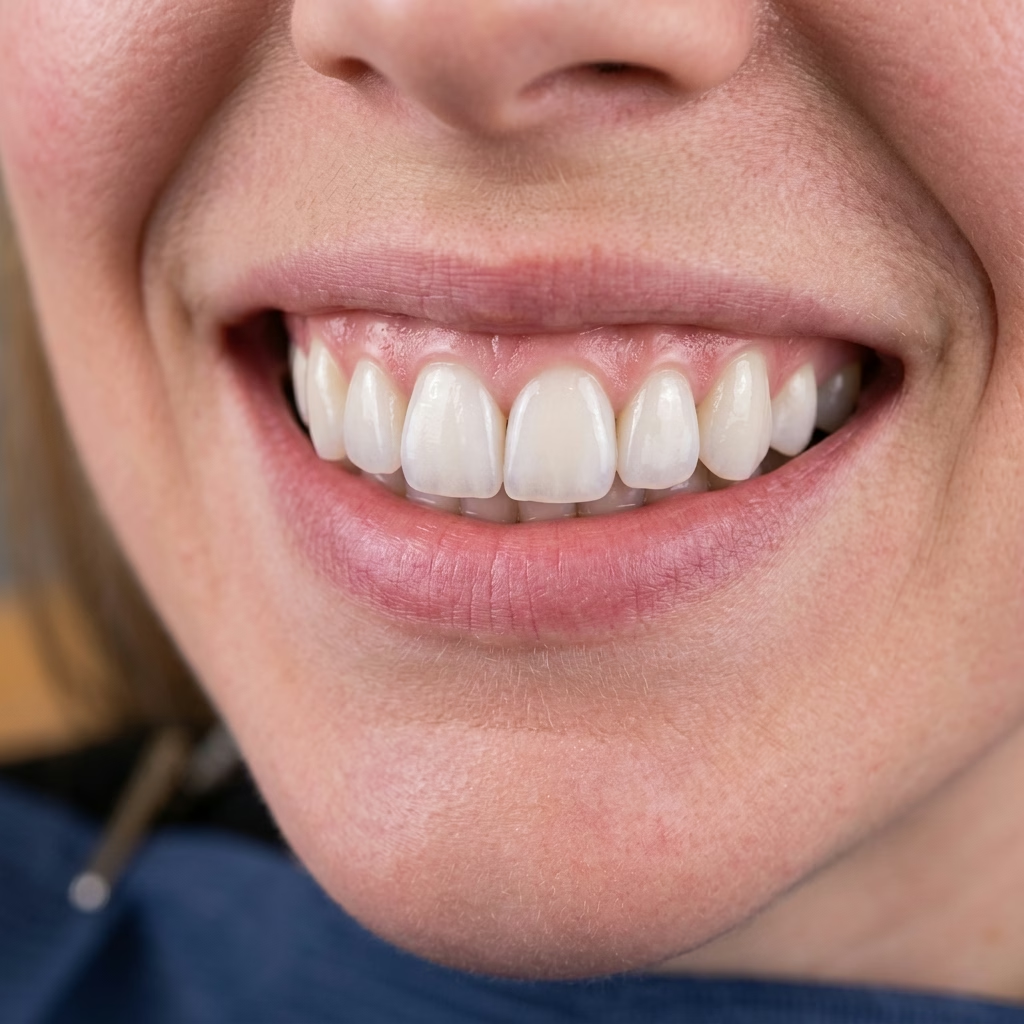
2–4 visits typical · 60–120 min per visit
Cosmetic Dentistry
Changes that look like you on a good day — not like dental work.
Learn more
2 visits · 30–45 min each
Whitening
Professional whitening that works on the stains drugstore strips cannot reach.
Learn more
Talk to us about dental implants
Bring your questions to the first visit. The examination is on us if you do not find it valuable, so there is nothing to lose by finding out where you stand.
5.0 from 1,249 patient reviews